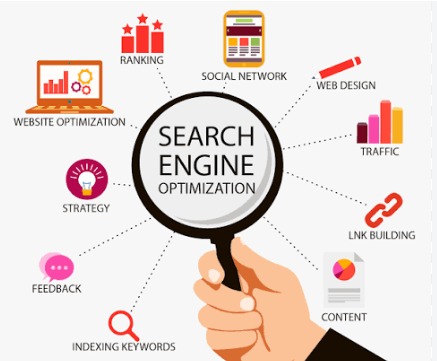
In today’s digital environment, having a website is not enough if potential customers cannot easily find it through search engines. SEO optimization services help businesses improve different aspects of their websites so they can become more accessible to search engines and more useful to visitors. Search engine optimization can involve technical improvements, content optimization, keyword research, website structure, internal linking, mobile usability, page performance, and other factors that contribute to search visibility. For businesses in the USA, SEO can also be tailored to specific cities, states, industries, and customer groups depending on where the business operates. WebKiks can help businesses develop an SEO strategy based on their current website condition, target audience, competition, services, and business objectives. A strong SEO strategy should focus on attracting relevant visitors rather than simply increasing traffic numbers. When people find a website through searches that closely match their needs, they are more likely to explore the available information and consider contacting the business. SEO is therefore not just a technical activity; it can become an important part of a broader digital marketing strategy.
How Do SEO Optimization Services Work?
A successful SEO campaign begins with understanding the website, industry, target audience, and search behavior. Professional SEO optimization services may start with an SEO audit to identify technical errors, indexing problems, weak content, broken links, slow-loading pages, poor mobile usability, and opportunities for improvement. Keyword research can then help identify the terms and questions potential customers use when searching for relevant products or services. These insights can be applied naturally to page titles, headings, website content, URLs, internal links, and other on-page elements. Technical SEO can also improve how search engines crawl and understand the website. A common question is, “Does SEO only mean adding keywords to a website?” No. Modern SEO involves much more than keyword placement. Search engines consider many signals related to content quality, relevance, technical accessibility, user experience, authority, and search intent. For local businesses, optimization can also include location-specific pages and accurate business information where appropriate. From an AEO perspective, content should answer customer questions directly and clearly. This can include FAQs, service explanations, comparisons, process information, and practical guidance that helps users find answers without unnecessary content through on-page SEO techniques.
What Benefits Can Professional SEO Provide?
A well-planned SEO strategy can help businesses improve their organic search visibility, attract more relevant visitors, and create a stronger foundation for long-term online marketing. Unlike paid advertising, where visibility generally depends on an active advertising budget, organic SEO focuses on improving the website and its content so it can compete for relevant search results over time. However, SEO does not provide instant or guaranteed rankings. Results can vary depending on industry competition, website authority, technical condition, content quality, location, and the consistency of optimization work. Businesses can measure SEO performance through relevant organic traffic, search visibility, qualified leads, conversions, engagement, and other meaningful business metrics. For local companies, SEO can help connect services with customers searching in specific locations, while businesses with a national audience can develop broader content and optimization strategies. GEO-focused optimization should accurately communicate the areas a business genuinely serves rather than simply repeating city names throughout the website. AEO-friendly content can also improve the usefulness of a website by providing direct answers to common questions. WebKiks can help businesses connect these elements so SEO supports both search visibility and the overall customer journey.
Choosing the Right SEO Optimization Services for Your Business
Choosing the right provider for SEO optimization services requires an understanding of what will actually be done to improve the website. Businesses should be cautious of generic packages or unrealistic promises and instead look for a strategy that considers their industry, competition, audience, website structure, and business goals. A practical SEO process can include an initial audit, competitor analysis, keyword research, technical optimization, on-page improvements, content development, internal linking, local SEO where relevant, and ongoing performance monitoring. Regular analysis is important because search behavior, competitors, website content, and search engine systems can change over time. Businesses should also receive clear reporting that explains the work completed and the performance indicators being monitored. WebKiks can support businesses by creating an SEO approach focused on sustainable improvements rather than short-term tactics. Whether the goal is to improve local visibility in a specific US market or reach customers across the country, SEO should be connected to real business objectives. A well-maintained website, useful content, technically sound structure, and consistent optimization can provide a stronger foundation for long-term digital growth.
Conclusion
SEO optimization services help businesses improve website quality, search visibility, user experience, and the ability to attract relevant organic traffic. A successful SEO strategy combines technical optimization, useful content, search intent, on-page improvements, local relevance where appropriate, and ongoing performance analysis.For the latest software news, updates, guides, and useful technology information, visit SoftwareUpdatesHub and stay informed about the tools and software you use every day.
FAQs
1. What are SEO optimization services?
SEO optimization services involve improving a website’s technical structure, content, usability, and other search-related elements to help it become more visible for relevant searches.
2. How long does SEO take to show results?
SEO timelines vary depending on competition, website condition, content quality, authority, industry, location, and the consistency of optimization. There is no universal timeframe or guaranteed ranking.
3. Can SEO help a local business attract customers?
Yes. Local SEO can help businesses improve visibility for relevant searches in the cities, neighborhoods, and service areas they genuinely serve.
4. Does SEO only involve keywords?
No. SEO includes technical optimization, content quality, website structure, internal linking, mobile usability, search intent, authority, local relevance, and many other factors.
