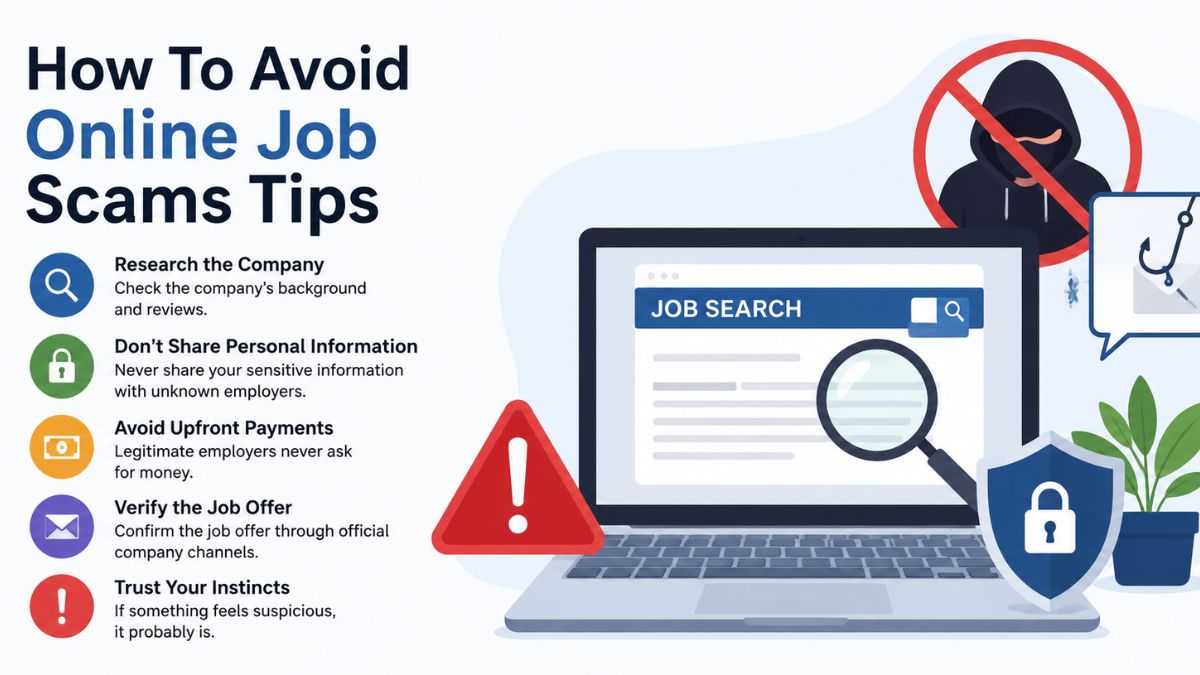
Online job searches can connect you with good employers, but fake recruiters also use job boards, emails, texts, and social media. They may copy real company names and logos to steal money or private details. Learning How To Avoid Online Job Scams Tips can help you check an offer before replying. Important Online Job Scam Warning Signs in the USA include rushed hiring, payment requests, fake checks, vague duties, and early demands for personal information. WebKiks encourages job seekers to research every opportunity and protect their data.
Why Fake Job Offers Can Look Real
Scammers may create professional websites, interview documents, and offer letters. Some even use real job platforms or pretend to represent known companies. Strong Fake Job Offer Detection in the USA depends on independent checks, not appearance. Visit the employer’s official careers page and contact the company through details you find yourself. Do not trust only the number, email, or link supplied by the recruiter. The FTC warns that fake recruiters can conduct interviews and send realistic paperwork.
1. You Receive an Unexpected Job Message
An unexpected email, text, WhatsApp message, or social media offer deserves careful review. Use How To Avoid Online Job Scams Tips by avoiding links and attachments until you confirm the sender. Follow Safe Remote Job Search Tips in the USA by searching for the recruiter, company, email address, and vacancy. A logo and polite wording do not prove the message is genuine. The FTC has warned about generic recruiter messages that provide little information about the role.
2. The Pay Is Too High for Simple Work
A job may promise large daily earnings for data entry, product ratings, or easy online tasks. Apply How To Avoid Online Job Scams Tips by comparing the salary with similar roles from known employers. Remote Job Safety Guidelines in the USA suggest caution when little skill or experience is required but the pay is unusually high. The FBI has warned about fake work-from-home jobs that display false earnings and later ask workers to send cryptocurrency.
3. The Job Description Is Vague
Real job listings normally explain duties, skills, working hours, reporting lines, and pay. A scam post may only say “remote worker” or “online assistant.” One useful How To Avoid Online Job Scams Tips step is requesting a full written job description. Verify Work From Home Jobs in the USA by comparing the offer with the official company website. Be careful when the recruiter avoids questions about the team, daily work, contract, or interview process.
4. You Are Hired Without a Proper Interview
Instant hiring after a short text chat is a serious warning sign. Use How To Avoid Online Job Scams Tips by asking for a phone or video interview with a named company representative. Online Employment Fraud Prevention in the USA also includes checking the interviewer’s profile and work history. A text-only interview does not always prove fraud, but an offer without questions about your experience, skills, or references should make you pause.
5. The Recruiter Uses a Suspicious Email
Check the complete email address instead of only reading the display name. Apply How To Avoid Online Job Scams Tips by comparing the sender’s domain with the official company website. Avoid Fake Recruitment Agencies in the USA by checking the agency’s address, staff, phone number, business history, and online presence. A personal email alone is not proof of fraud, but it becomes more concerning when combined with high pay, rushed hiring, or payment requests.
6. You Must Pay Before Starting
A fake recruiter may demand money for training, registration, software, equipment, or access to job listings. The clearest How To Avoid Online Job Scams Tips include refusing to pay for the promise of work. Online Employment Fraud Prevention in the USA means questioning every fee and checking who will receive it. The FTC states that honest employers do not ask applicants to pay to get a job. Walk away when payment is required before employment begins.
7. The Employer Sends You a Check
Some scammers send a check for a laptop or home-office equipment and later ask you to return part of the money. Use How To Avoid Online Job Scams Tips by refusing to deposit unexpected checks or forward funds. Fake Job Offer Detection in the USA includes rejecting any arrangement where you receive money and must send some elsewhere. A check may appear available before the bank discovers it is fake, leaving you responsible for the money.
8. They Demand Crypto, Gift Cards, or a Wire
Scammers prefer payments that are hard to reverse. They may request cryptocurrency, gift cards, wire transfers, or payment apps to activate an account or unlock tasks. Apply How To Avoid Online Job Scams Tips by never sending money to an employer. Remote Job Safety Guidelines in the USA also warn against adding your own funds to withdraw supposed earnings. The FBI has reported work-from-home scams built around cryptocurrency payments and fake task balances.
9. They Request Private Details Too Early
A stranger should not ask for your Social Security number, bank account, driver’s licence, or identity documents before a real interview and verified offer. Strong How To Avoid Online Job Scams Tips include delaying sensitive forms until you confirm the employer. Protect Personal Information Online in the USA by avoiding unverified portals and message links. The FTC warns that fake recruiters may request financial and identity information early so they can steal money or misuse the applicant’s identity.
10. The Vacancy Is Missing from the Company Website
A post on a popular job board can still be fake. One of the safest How To Avoid Online Job Scams Tips is checking the employer’s official careers page. Verify Work From Home Jobs in the USA by calling the company through independently confirmed contact details. Ask whether the recruiter works there and whether the role is active. Some companies hire through agencies, so a missing listing is not final proof, but the employer should still be able to confirm the opportunity.
11. The Recruiter Creates Urgency
Scammers may say the job will disappear unless you accept immediately or send documents within an hour. Use How To Avoid Online Job Scams Tips by pausing whenever someone creates pressure or fear. Follow Safe Remote Job Search Tips in the USA by saving the message, researching the employer, and discussing the offer with someone you trust. A genuine employer may have a deadline, but it should answer reasonable questions and allow you to review the written terms.
12. The Work Involves Reshipping or Paid Tasks
Avoid jobs that ask you to receive packages, remove labels, and send them elsewhere. Also question offers involving paid likes, ratings, reviews, or repeated “optimization” clicks. The final How To Avoid Online Job Scams Tips warning is that easy tasks may build trust before the scammer requests money. Online Job Scam Warning Signs in the USA include fake balances and deposits required to unlock work. The FTC identifies reshipping as a scam, while the FBI warns about task-based work-from-home fraud.
Conclusion
The best How To Avoid Online Job Scams Tips are simple: slow down, research the employer, confirm the vacancy, request a proper interview, and refuse unusual payments. Online Employment Fraud Prevention in the USA also includes reporting fake posts to the platform and the FTC. People who shared private data can use IdentityTheft.gov for recovery guidance, while online fraud may also be reported to the FBI’s IC3. WebKiks encourages job seekers to use trusted sources and treat unexpected offers with care.
Frequently Asked Questions
How Can I Check Whether a Recruiter Is Real?
Use Avoid Fake Recruitment Agencies in the USA checks before sending documents. Find the recruiter on the official company website or a trusted professional network. Call the company through a number you found independently. Confirm the person’s name, position, email domain, and job opening. Search the recruiter and company names with words such as “scam,” “fraud,” “review,” or “complaint.” Do not rely only on a logo, offer letter, or polished profile.
Is It Safe to Share My Social Security Number?
Follow Protect Personal Information Online in the USA by sharing sensitive details only after verifying the employer and completing a genuine hiring process. Employers may need tax and payroll information after hiring, but an early request from an unknown recruiter is dangerous. Do not upload identity documents to an unverified website. When a fake recruiter already has your details, use the official identity theft reporting service to create a recovery plan.
Are All Work-from-Home Offers Scams?
No. Many real employers offer remote or hybrid work. Verify Work From Home Jobs in the USA by checking the official careers page, confirming the recruiter, reading the full job description, and attending a proper interview. Real remote roles should clearly explain duties, pay, hours, equipment, and reporting lines. Be cautious when an offer promises high income for little effort, arrives unexpectedly, or asks you to send money.
What Should I Do After Sending Money to a Scammer?
Use Online Employment Fraud Prevention in the USA steps immediately. Contact the bank, payment app, wire service, gift card company, or cryptocurrency platform and ask whether the payment can be stopped. Save messages, receipts, phone numbers, emails, and transaction records. Report the listing to the FTC, the job platform, and the FBI’s IC3 when relevant. Do not pay anyone who promises guaranteed recovery of lost cryptocurrency.
Where Should I Report a Fake Job?
Remote Job Safety Guidelines in the USA include reporting suspicious posts to the website or app where they appeared. You can also report fraud to the Federal Trade Commission. Internet-based scams may be reported to the FBI’s Internet Crime Complaint Center. When personal information was exposed, use the official identity theft reporting service for recovery guidance. Reporting can help platforms remove fake listings and provide investigators with useful details.
